
A major breakthrough on a small scale: metamaterials that shrink and expand on their own
Leiden physicists Daniela Kraft and Julio Melio, together with their research team, have created soft structures that can change shape without external force. This research paves the way for translating all kinds of metamaterials to the microscale.
From metamaterial to microscale
Together with professor Martin van Hecke, Kraft and Melio designed micro-material with colloid microparticles, made of very small silica spheres as building blocks. This material is 10 times thinner than the thickness of your hair. The movements that the materials make are no longer determined by the material properties but by the structure. The way in which they are connected makes certain movements possible. These functional structures have now been made in microscale. By using quadrilateral structures, the material remained mechanically stable. By then connecting the quadrilaterals together at one corner, they can rotate and automatically achieve the Kagomé lattice.
The next steps
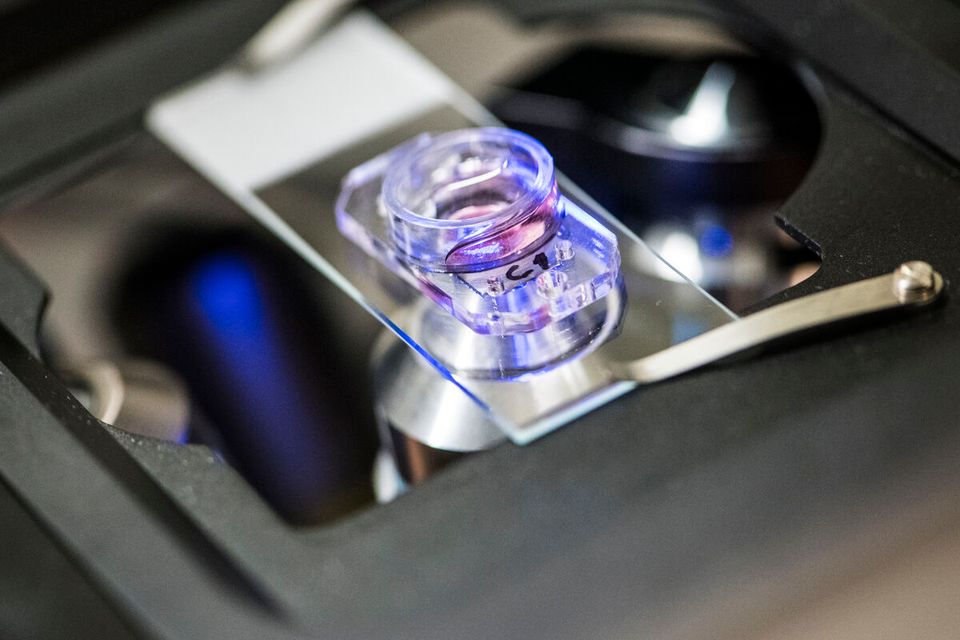
Under the optical microscope, they saw that these structures spontaneously shrink and expand, even without external propulsion. This predictable movement is caused by the thermal energy that all particles at this microlevel possess. Siloke Henkens and the team developed a model that describes how the thermal movement influences that structure. The next step in the research was to structure the movements of the material from the outside. This was achieved using magnetic microparticles; silica together with iron oxide. By switching a magnetic field on or off around the test setup, they saw the structure shrink and expand on command.

This breakthrough now paves the way for converting all kinds of metamaterials to microscale. This offers opportunities for microrobots that automatically respond to their environment and for new innovations at the microscale, enabling smart, self-adapting materials.