Breakthrough in research into the treatment of metastatic ocular melanoma
Researchers at the LUMC have found that a combination of liver perfusion and immunotherapy can significantly improve the life expectancy of patients with metastatic ocular melanoma. The study specifically examined this combined treatment. The results show that patients who received both therapies kept their disease under control for longer and lived longer on average. The researchers expect this approach to develop into a promising new treatment option.
Combination therapy offers new opportunities
Medical oncologist and professor Ellen Kapiteijn and interventional radiologist Mark Burgmans investigated a new combination therapy for metastatic eye cancer. It is the first study to demonstrate a clear survival benefit from the use of liver perfusion. A total of 76 patients took part in the CHOPIN study, divided into two groups: one group received liver perfusion alone, whilst the other group received a combination treatment of liver perfusion with immunotherapy (ipilimumab and nivolumab).
The results show that patients who received the combination therapy lived longer on average. Furthermore, the proportion of patients who were still alive after one year and whose disease remained under control was three times higher than with treatment using liver perfusion alone. Although the combination therapy was associated with more side effects, no additional treatment was required to manage them.
Ocular melanoma
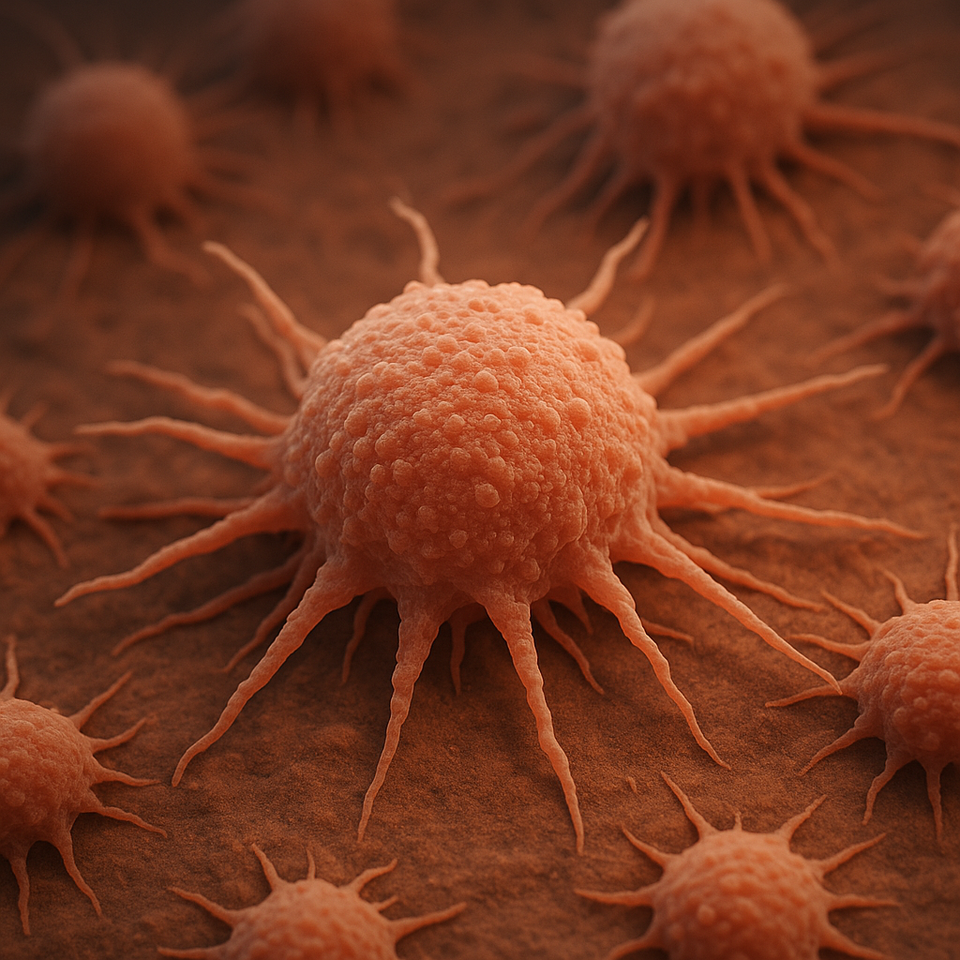
Ocular melanoma is a rare form of cancer that develops in the eye. Although the tumour in the eye itself is often treatable, it frequently metastasises to the liver, reducing life expectancy to around one year. Until now, there have been very few treatments that have demonstrably led to longer survival.
Researchers hope that this breakthrough will offer an important new treatment option. Research is continuing to determine how long the effect lasts and how this treatment can best be applied in the future.