LUMC presents an innovative treatment for pulmonary embolism
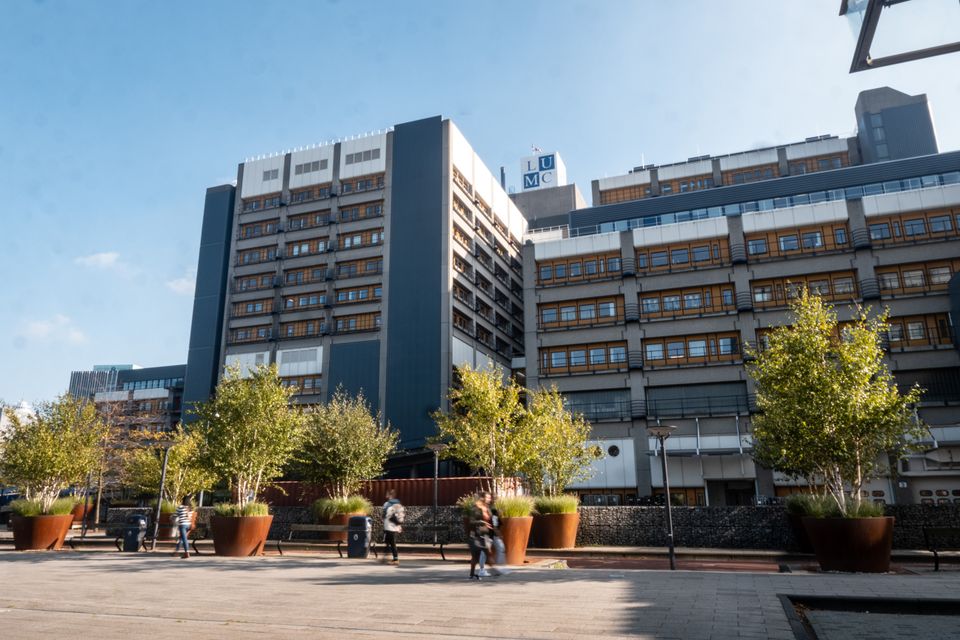
Leiden University Medical Centre (LUMC) has played a leading role in an international study in which an innovative catheter-based treatment was used for patients with severe pulmonary embolism. Thanks to a combination of medication and ultrasound, it was found that patients recovered more quickly and the risk of death was reduced.
The treatment
During standard treatment for pulmonary embolism, patients are given blood thinners. With the new treatment, doctors use a thin tube – a catheter – to deliver a small amount of medication directly into the clot. At the same time, the catheter emits sound waves that are inaudible to humans. Thanks to the ultrasound, the medication can penetrate deeper into the clot, causing it to dissolve more quickly and effectively than with standard treatment via an intravenous drip.

The results
The study, recently published in the medical journal 'The New England Journal of Medicine', shows that patients remain more stable and recover better in the first few days following diagnosis. As a result, they are often able to go home sooner. For the time being, the LUMC is the only hospital in the region offering this specialist treatment. Meanwhile, the hospital is already working on new treatment methods for patients in an even more advanced stage of the condition. This strengthens Leiden’s position as a leading international research centre in the field of pulmonary embolism.
Pulmonary embolism
In a pulmonary embolism, a blood vessel in the lungs becomes blocked by a blood clot. Normally, patients are given blood thinners. These prevent the clot from growing larger, but do not actively dissolve it. The new treatment does just that. The treatment is intended for patients with a severe pulmonary embolism who still have stable blood pressure, but are showing signs such as oxygen deprivation and an increased heart rate. Although they are not yet in shock, there is a high risk of rapid deterioration.