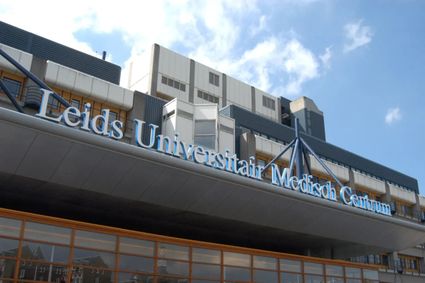
June is Women’s Health Month at the LUMC
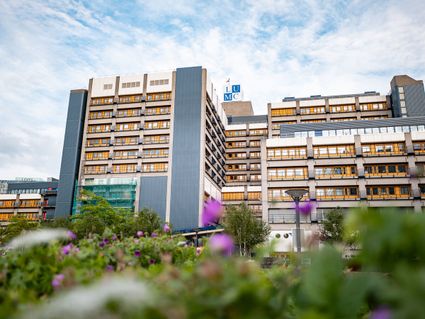
June is all about women’s health in Leiden. In this way, our city continues to develop solutions to the social challenges of the future. This month, Leiden University Medical Centre (LUMC) is drawing extra attention to a topic that is moving ever higher up the global health agenda: women’s health. Throughout June, the hospital will be sharing stories from research, healthcare and clinical practice to raise awareness of health issues affecting women.

Greater focus on health inequalities
For many years, medical knowledge was largely based on research involving men. Researchers now know that women often experience different symptoms, respond differently to treatment, and that conditions develop differently in them. This applies not only to conditions specific to women, but also to common diseases such as migraine, cardiovascular disease and autoimmune diseases.
By paying closer attention to these differences, we can achieve better diagnostics, more effective treatments and, ultimately, better care for millions of women worldwide. The topic is therefore moving higher up the international research and innovation agenda.

Leiden as a hub for knowledge and innovation
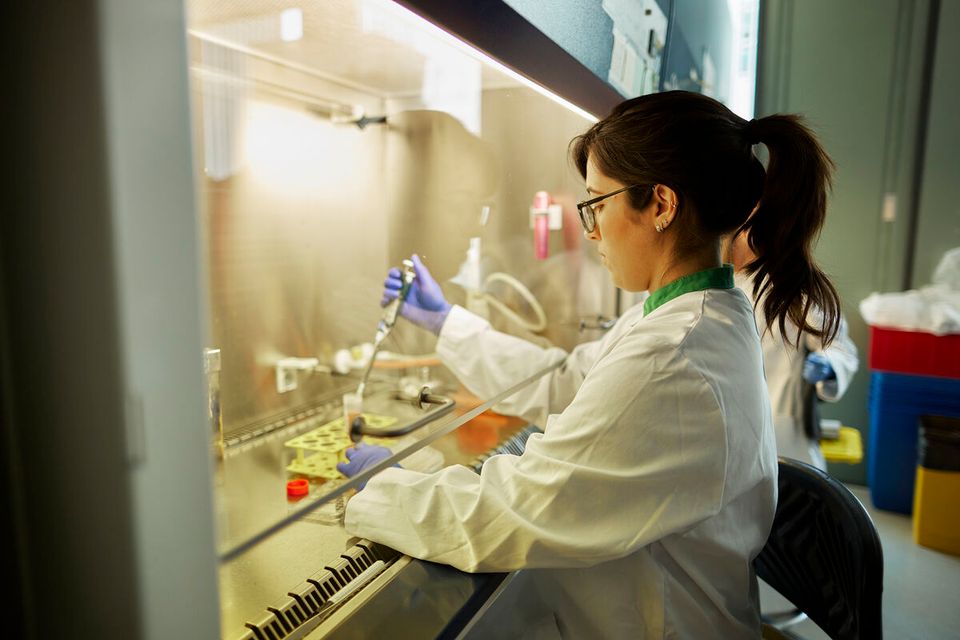
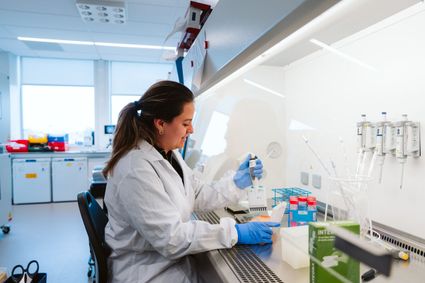
The focus on women’s health fits seamlessly with Leiden’s position as a leading centre for Life Sciences & Health. Within the LUMC, researchers and healthcare professionals from various disciplines work together to develop new insights and innovative solutions. Specialisms such as gynaecology, neurology, cardiology, urology, clinical epidemiology and anatomy pool their expertise to further improve women’s health.
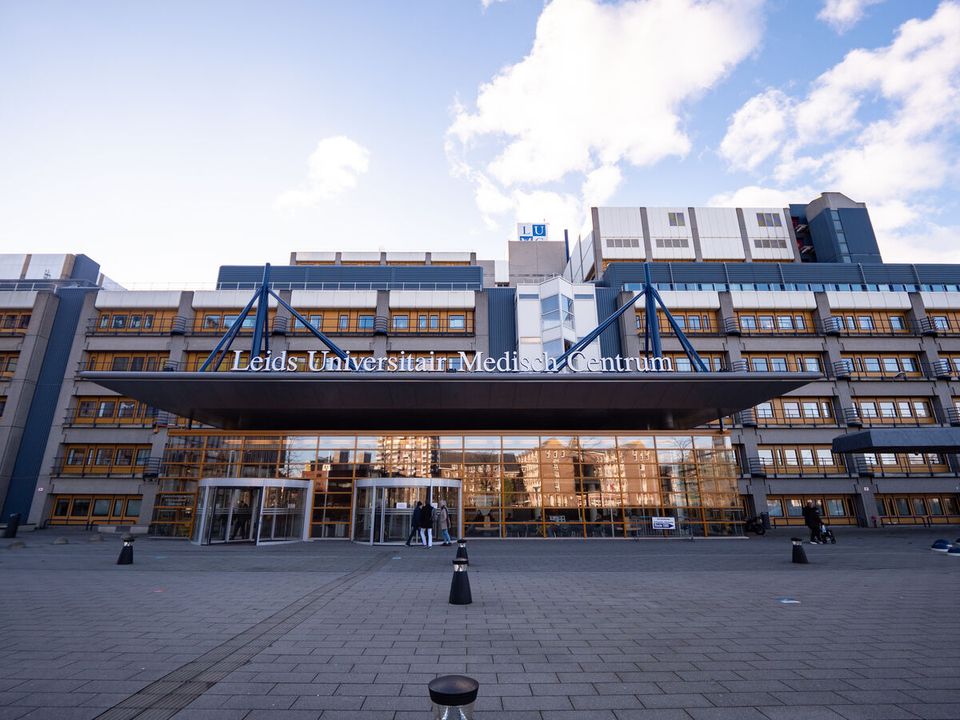
Where research and impact come together
Women’s health is a topic that is receiving increasing attention within the medical and scientific community worldwide. The growing focus on gender-sensitive care, prevention and innovative treatments offers ample opportunities for knowledge exchange at conferences and meetings. The Women’s Health Theme Month once again demonstrates how Leiden uses knowledge to tackle societal challenges. By linking research, care and innovation, the city is contributing to a healthier future for everyone.