
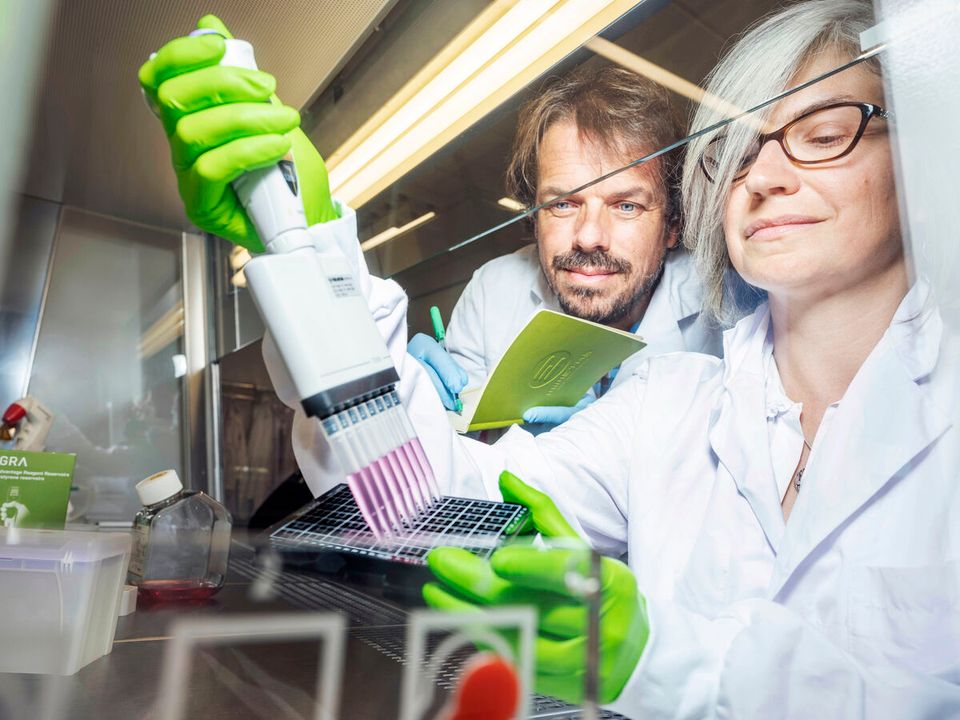
Breakthrough in the fight against intestinal bacteria
A research group at the Leiden Institute of Biology (IBL) has developed a new antibiotic against the pathogenic intestinal bacterium Clostridioides difficile. The new antibiotic not only combats the bacterium, but also reduces the risk of its recurrence.
Easy return
For many people the bacterium causes no symptoms, but people in poor health can become seriously ill and even develop an intestinal infection caused by the bacterium. Current antibiotics are ineffective against the bacterium, because they do not completely destroy the spores left behind in the body, allowing new bacteria to easily develop.
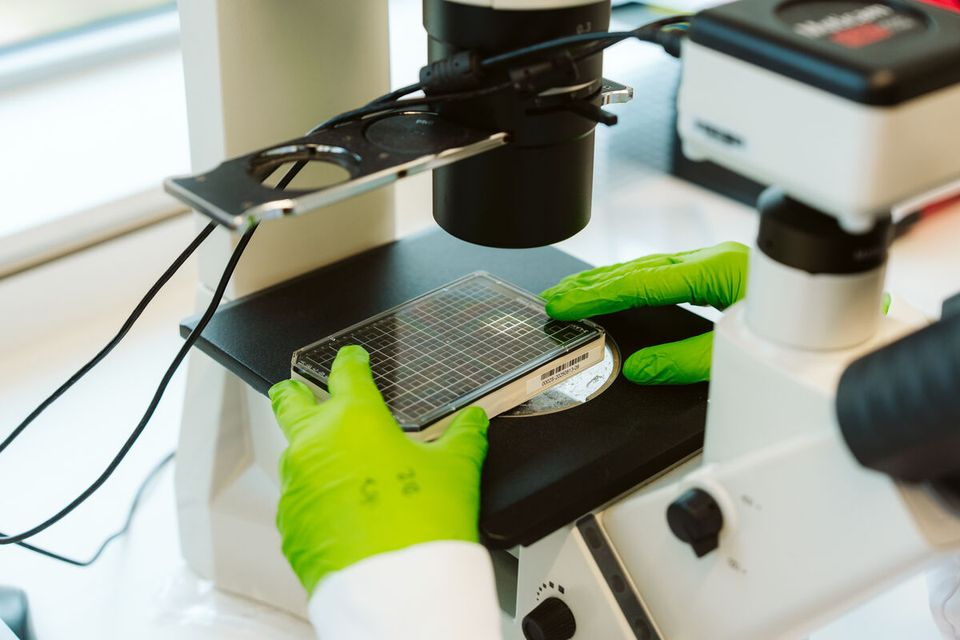
Research group IBL
The IBL research group has developed the antibiotic EVG7, which largely prevents this recurrence. The research showed that a low dose of the antibiotic is sufficient to combat the bacteria. In addition, the low amount of antibiotics ensures that more Lachnospiraceae remain in the body. Lachnospiraceae is a good bacterium that prevents the spores left behind by the Clostridioides difficile bacteria from growing into new Clostridioides difficile bacteria. The new antibiotic has another advantage: bacteria do not quickly become resistant to the drug EVG7.
The research group will now put the antibiotic through toxicity studies and hopes to then be able to develop the drug with the help of investors.
Read the full news item from Leiden University here.