Pioneering research methods for heart health
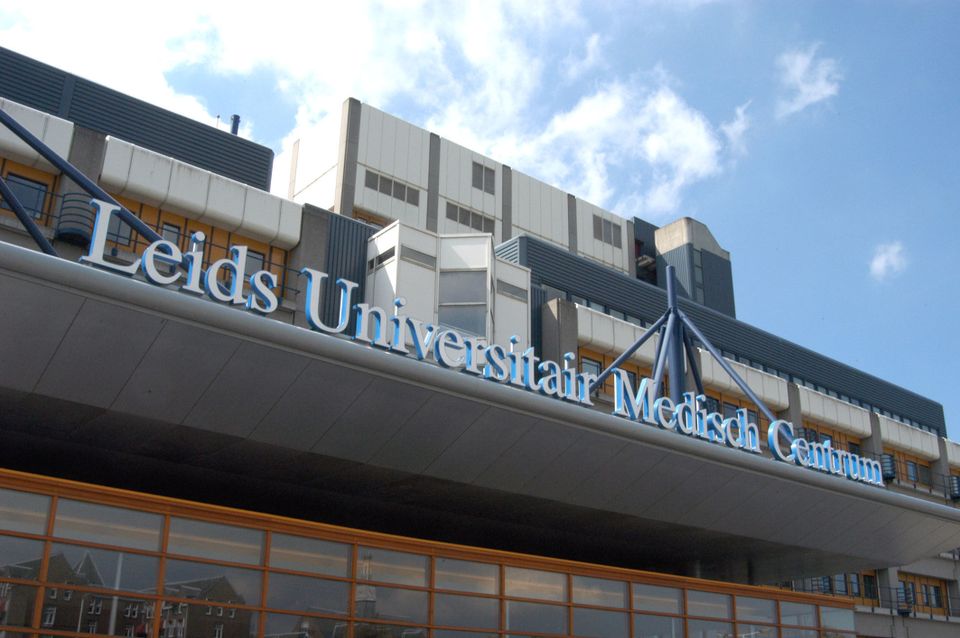
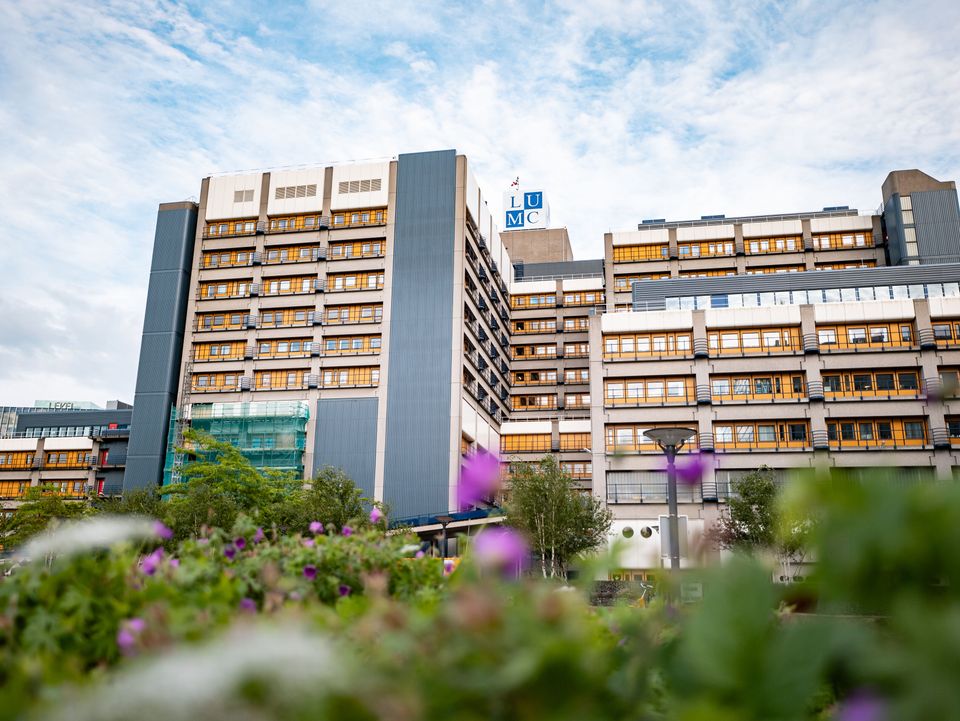
The Leiden-based biotech company Ncardia is teaming up with Leiden University Medical Centre (LUMC). Researchers are collaborating on the development of a new platform to enable automated production of 3D cardiac microtissues, enabling rapid and reliable drug testing for cardiac effects. This innovative approach supports both drug discovery and cardiac safety testing.
Congenital cardiac arrhythmias, rare inherited disorders affecting the heart's electrical system, lead to life-threatening rhythm disturbances or sudden cardiac death. While these conditions affect approximately 1 in 2,000 people worldwide, treatment options for patients remain limited.
Advancements in cardiac models
In recent years, the complexity of cardiac models has increased significantly. Researchers can create 3D cardiac microtissue structures containing multiple cardiac cell types. Pluripotent stem cells have distinctive characteristics allowing them to self-renew indefinitely and differentiate into almost any tissue type. Richard Davis, group leader at LUMC and Associate Investigator at reNEW Leiden, explains they use these cells “to generate heart cells which allow us to study cardiac arrhythmias and develop new treatments in a human-relevant model." Scientists are monitoring how drugs affect heart rhythm by accurately measuring the beating behaviour of microtissues using fluorescent dyes that respond to calcium signals or electrical activity. Research shows that predictions based on 3D microtissues are significantly more accurate than those from previous 3D heart models.
Scalable production and drug screening
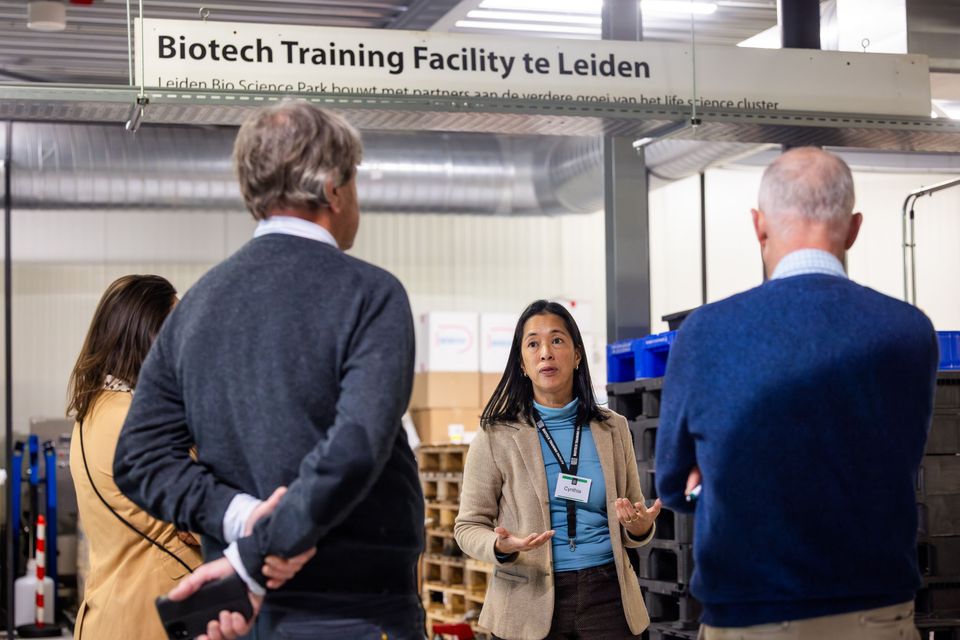
Through automation and machine learning, the team of LUMC and Ncardia researchers standardized the generation and analysis of these microtissues, thereby enabling large-scale drug testing. Shushant Jain, Director at Ncardia, says: "This collaboration allows us to bridge the gap between academic innovation and industrial application, enabling faster and more predictive cardiac safety testing and therapeutic discovery." The platform was used to screen over 2,000 FDA-approved drugs in a model of CPVT1, a severe inherited cardiac arrhythmia. With this large-scale screening, they identified around 100 compounds that could possibly correct abnormal heart rhythms, which are now under further investigation.

Broad applications for future therapies
This new platform presents many unexplored opportunities in cardiovascular treatments, including assessing the safety of new medicines and examining the possible harmful effects of chemical substances on human heart tissue. Moreover, personalized cardiac microtissues from individual patients could be created, paving the way for tailored treatments for those who do not respond to standard therapies.