Euclid Space Telescope opens new possibilities for cosmological research in Leiden
The Euclid Space Telescope has captured around 900 million galaxies, providing Leiden University researchers with new opportunities to investigate dark matter, dark energy and the fundamental laws of gravity.
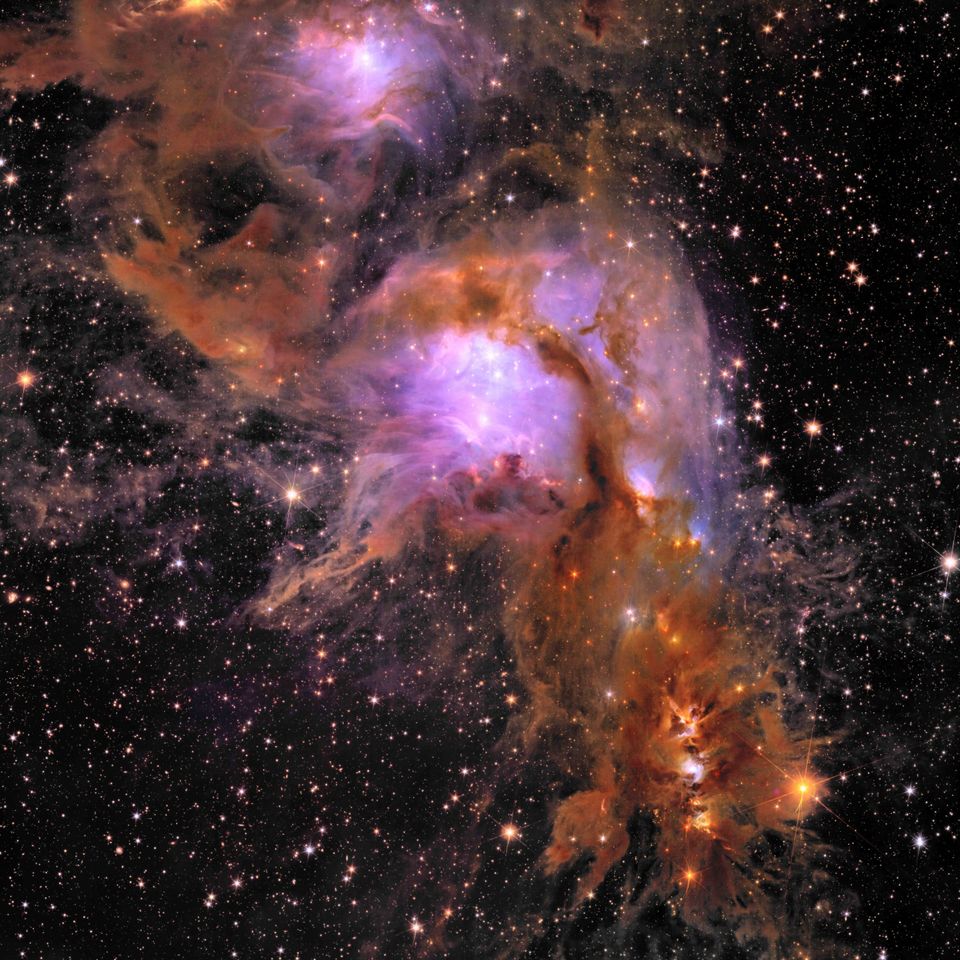
The European Space Agency (ESA) released an extensive collection of images from its Euclid Space Telescope on 12 November 2026, offering an unprecedented view of the universe. With approximately 900 million galaxies already observed, the mission is providing astronomers with valuable data to investigate the history and structure of the cosmos. Researchers at Leiden University are among those using these observations to explore some of the most fundamental questions in modern physics.
Launched on 1 July 2023, Euclid aims to create the largest and most detailed map of the universe ever produced. Its exceptionally wide field of view allows it to capture more than a hundred times as much sky in a single image as the Hubble or James Webb Space Telescopes. According to Leiden astronomer Koen Kuijken, the first major dataset contains observations of approximately 900 million galaxies and 60 million quasars. Some of these distant objects existed when the universe was just 700 million years old.
Why is this important
One of Euclid's primary objectives is to improve our understanding of dark matter and dark energy, which together account for approximately 95 per cent of the universe. Dark matter plays an essential role in shaping galaxies through gravity, while dark energy appears to drive the accelerating expansion of the universe. Leiden University professor Alessandra Silvestri is using Euclid's observations to investigate these phenomena and test whether our understanding of gravity remains accurate on the largest cosmic scales.
To uncover these processes, scientists analyse the positions and shapes of billions of galaxies. By studying tiny distortions in their appearance caused by gravitational lensing, they can trace the distribution of otherwise invisible matter. Processing such vast quantities of information requires sophisticated statistical techniques. Guadalupe Cañas Herrera, a postdoctoral researcher at Leiden Observatory, is developing tools to support these complex analyses and help researchers identify patterns across the dataset.