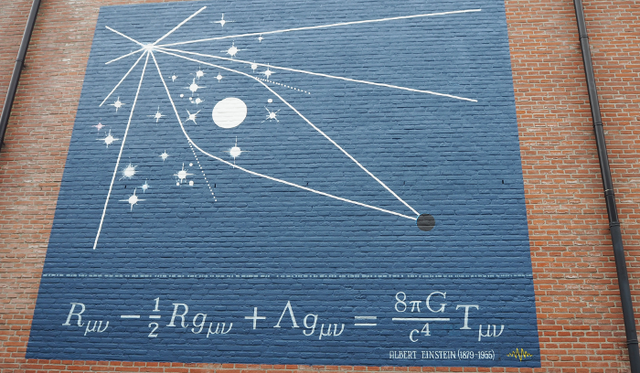
Leiden astronomers may have solved the Orion Nebula's age paradox. Computer simulations suggest that a collision between two stars around 200,000 years ago explains why its gas shell and planet-forming discs appear unexpectedly young.
LUMC spin-off RougeTx has secured €50 million to advance RTX-001, a potential treatment for hereditary haemorrhagic telangiectasia (HHT). The drug candidate aims to stabilise blood vessels and progress towards clinical trials.
Researchers at the LUMC are creating increasingly sophisticated ‘mini inner ears’ from stem cells. This enables them to investigate the causes of hearing loss more effectively and, in turn, to test new treatments.
Researchers at the LUMC and Erasmus MC have discovered that women with menstrual migraine have a different oestrogen profile. This finding helps to explain why migraines occur just before menstruation and offers avenues for treatment.
Researchers at the LUMC have discovered immune cells that can both exacerbate and suppress inflammation in chronic bowel conditions. This dual role offers new insights into diseases such as Crohn’s disease and ulcerative colitis.
How do melanoma cells spread through the body? Researchers at Leiden University are using advanced computer models to uncover the mechanisms behind skin cancer metastasis and identify new opportunities for prevention and treatment.